About us

Transform Ideas Into Working IoT Solutions.


About Learn IoT

7+

YEARS oF
EXPERIENCE IN IoT
Learn IoT founder and IoT developer

Create Real Devices, Not Just Read About Them.

Starting in 2025, Learn IoT emerged from a simple need: accessible IoT education that doesn’t require expensive equipment or advanced degrees. I began sharing my embedded systems experiments online, and the response was overwhelming—developers, students, and hobbyists worldwide were hungry for practical IoT knowledge.

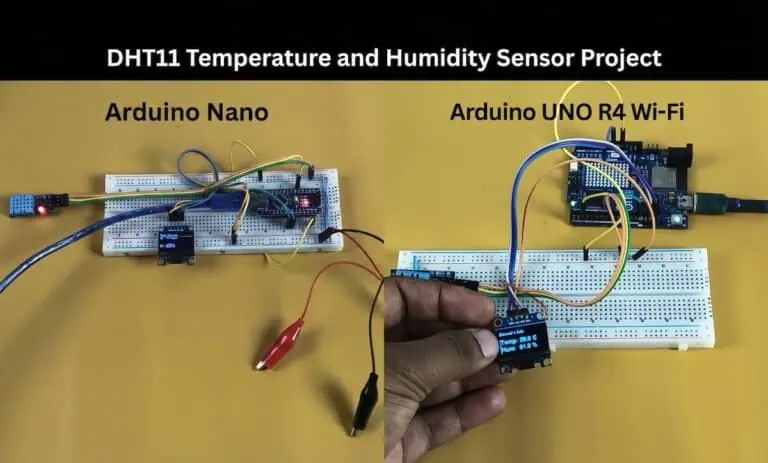
My approach is different: skip the theory lectures and dive straight into building. Every tutorial walks you through component selection, breadboard wiring, code implementation, and troubleshooting. You’ll learn by creating functional devices—not memorizing abstracts.

The goal is simple: help anyone with curiosity build sophisticated
IoT systems. Whether you’re automating your home, prototyping a
startup product, or exploring embedded systems professionally, these tutorials provide the foundation you need.


Our Tutorial Development Process

Skip the listicles and clickbait—Learn IoT publishes only projects I’ve personally prototyped, tested, and debugged. Here’s how each tutorial comes together:

IoT lab workbench with breadboards, microcontroller boards, sensors, oscilloscope, and monitors displaying programming code for embedded systems development

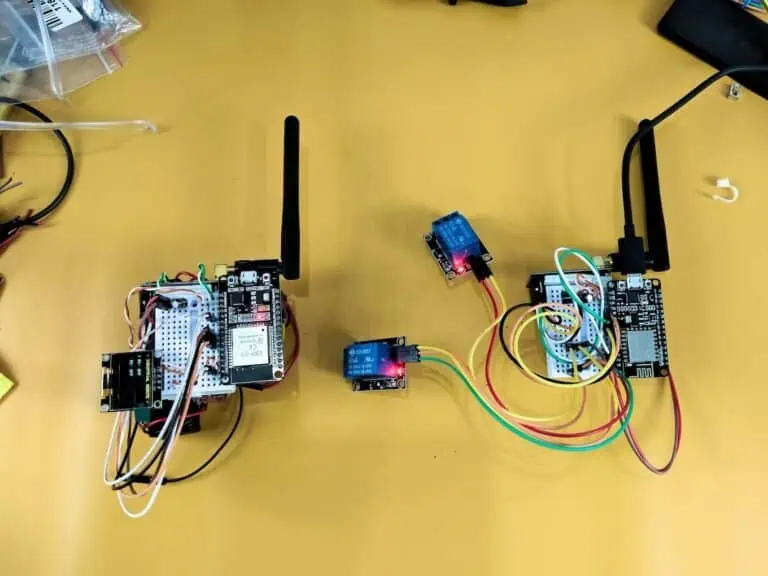
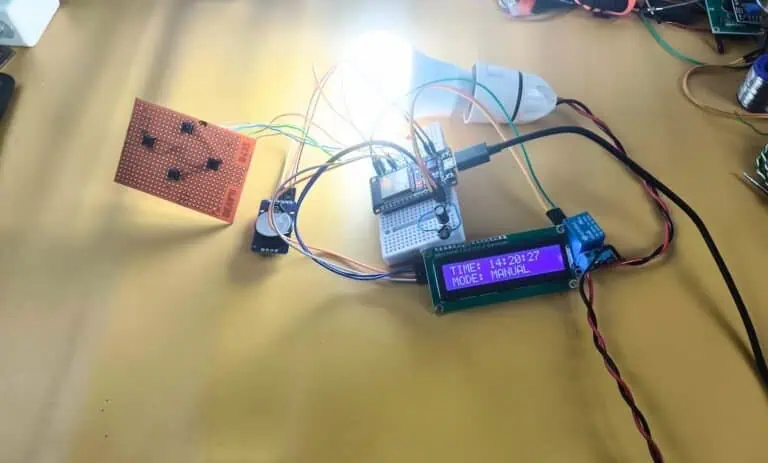
Real Hardware First: I start with physical components and breadboards. No simulators, no hypothetical circuits. If I haven’t successfully built it on my workbench, it doesn’t get published. This means you’re following proven designs, not untested schematics.

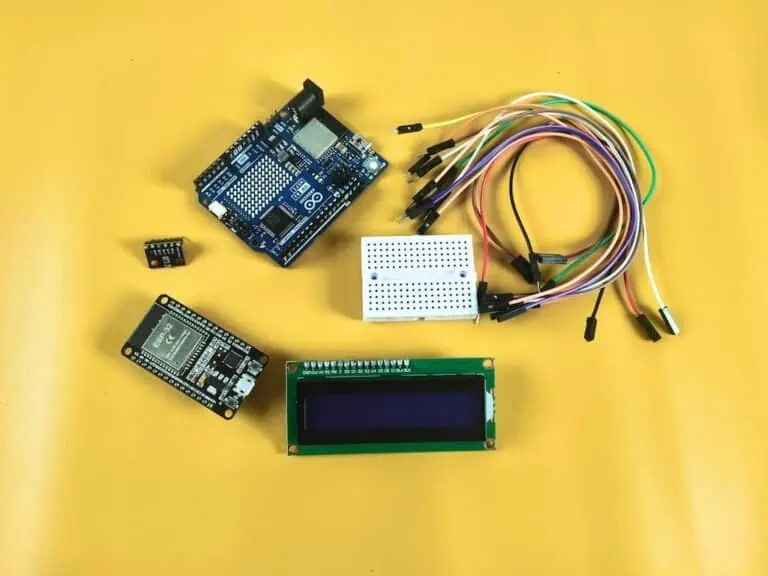
Production Components: Every tutorial uses commercially available hardware— sensors you can buy from standard suppliers, microcontrollers available worldwide, and modules that ship reliably. I document supplier links, alternative parts, and compatibility considerations so you’re never stuck hunting obscure components.

Failure-Driven Documentation: I deliberately introduce common mistakes during testing to identify where beginners struggle. Then I document these pitfalls with solutions. This approach means tutorials address real problems you’ll encounter, not just the happy path that works first try.

Reader-Refined Content: Comments and emails reveal confusing explanations, missing steps, and compatibility issues. I regularly update tutorials based on this community input, ensuring each guide improves over time based on real-world feedback.


Our Focus Areas


Embedded Systems & IoT:

My electrical engineering foundation combines with hands-on microcontroller experience spanning Arduino, ESP32, STM32, and Raspberry Pi platforms. Projects range from simple sensor data logging to complex multi-device networks communicating via MQTT and cloud APIs. I focus on solutions that actually deploy—not classroom exercises that break in production environments.


Web Technology & Automation:

IoT devices need interfaces. I create tutorials connecting embedded hardware to web dashboards, mobile apps, and cloud platforms. Topics include REST APIs, real-time databases, authentication systems, and responsive interfaces that work across devices. The goal: your IoT project shouldn’t need a computer science degree to interact with.


Technical Content & Visibility:

Running Learn IoT taught me how technical content reaches audiences. I apply search optimization, content structure, and user experience principles to help IoT projects gain visibility. These strategies work—they’re how you found this site. I share what I’ve learned building an audience from zero.


Who’s Behind This

Devraj | Embedded Systems Engineer & Maker

My career blends formal electrical engineering education with self-taught programming skills accumulated over 7+ years. This combination—understanding both circuit design and software development—lets me explain IoT concepts from both hardware and code perspectives. Most engineers specialize in one side; I work at their intersection.

Technical experience includes:

  • Raspberry Pi automation systems for remote monitoring and control
  • Custom Firebase implementations handling real-time sensor data streams
  • ESP32 projects spanning simple blinking LEDs to complex mesh networks
  • Industrial automation prototypes using PLC-style programming patterns
  • Agricultural IoT deployments measuring soil conditions and automating irrigation
  • Dashboard interfaces displaying telemetry from distributed sensor networks
  • Embedded C/C++ programming for microcontrollers across multiple architectures


Get In Touch

IoT Works Better Collaboratively. Here’s How We Connect: