
Features of IoT: 7 Characteristics That Make Devices Smart
Most people think IoT is just about connecting devices to the internet. But here’s the interesting part — simply adding WiFi to a device does not make it truly “smart.”
A normal water pump can only switch ON and OFF manually. But an IoT-based water monitoring system can detect tank levels, send alerts to your phone, and even control the motor automatically without human intervention. That extra intelligence is what separates IoT from traditional electronics.
The real power of IoT comes from its features — things like real-time monitoring, automation, remote access, connectivity, and smart decision-making. These are the capabilities working silently behind smart homes, fitness bands, industrial sensors, and even modern farming systems.
When I started building ESP32 projects, I realized something important: understanding these core IoT features makes project building much easier. Once you understand how these systems communicate, collect data, and automate tasks, even complex IoT projects start making practical sense.
In this article, we’ll break down the key features of IoT in a simple way using real examples, practical scenarios, and actual IoT project concepts instead of textbook-style definitions.
What Are the Features of IoT?
The features of IoT are the capabilities that make smart devices actually “smart.”
Things like:
- internet connectivity
- live monitoring
- automation
- remote control
- sensor-based decisions
all come under IoT features.
For example, an Arduino checking water level and sending alerts to your phone is not just electronics anymore. The moment it starts communicating, sharing data, and automating actions, it becomes an IoT system.
These features are what power smart homes, wearable devices, industrial monitoring, and modern automation systems.
Connectivity
How IoT Devices Communicate
IoT devices communicate by sending and receiving data over networks like WiFi, Bluetooth, LoRa, or the internet.
In most beginner projects, an ESP32 or ESP8266 collects sensor data and sends it to a cloud platform, mobile app, or another device. This communication happens continuously in the background.
For example, in a smart home setup, a motion sensor can instantly send data to the ESP32, which then triggers a light or sends a phone notification within seconds.
This constant data exchange is what keeps IoT systems connected and responsive.
Why Connectivity Is the Backbone of IoT
Without connectivity, IoT simply cannot exist.
A sensor collecting data alone is just an electronic system. The real power of IoT starts when devices can share data, communicate with apps, and respond in real time over a network.
This is what allows:
- smart devices to sync together
- mobile monitoring from anywhere
- cloud dashboards
- instant alerts and automation
For example, an ESP32 can upload temperature data through WiFi and instantly trigger actions based on that information. That continuous connection is what makes the system truly smart.
Real-Time Monitoring
How IoT Devices Track Live Data
IoT devices track live data using sensors that continuously monitor real-world conditions like temperature, motion, water level, humidity, or gas leakage.
The microcontroller reads this sensor data in real time and sends updates to a mobile app, cloud dashboard, or another connected device.
For example, a smart water level system can keep checking the tank level every few seconds and instantly show changes on your phone. This makes monitoring faster, easier, and more reliable than manual checking.
Real Example: Water Level Monitoring System
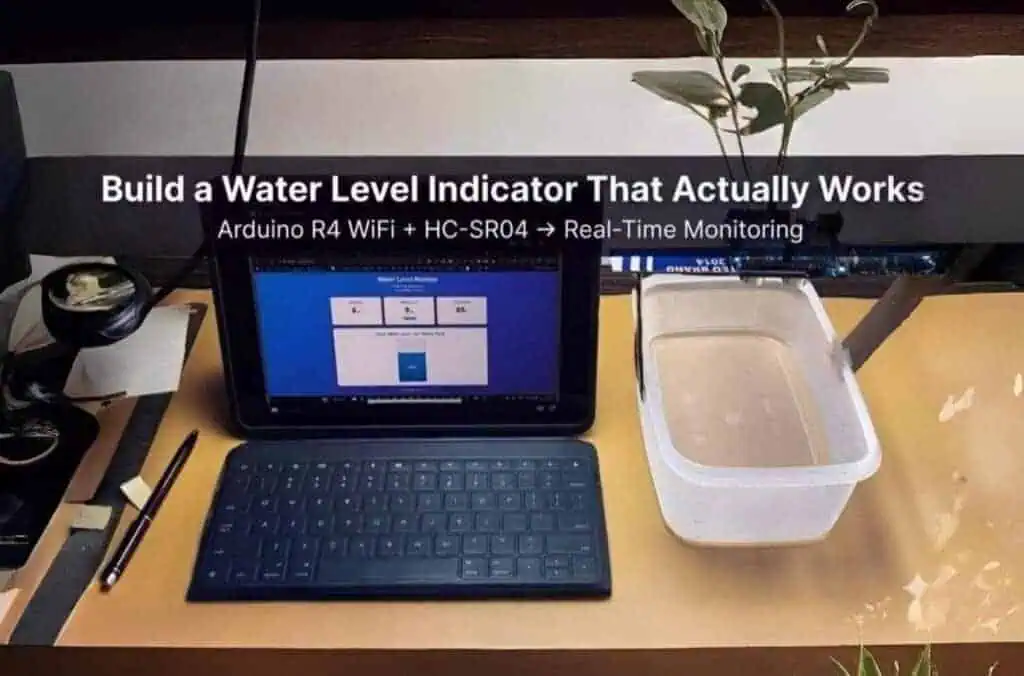
A water level monitoring system is one of the easiest ways to understand real-time IoT monitoring.
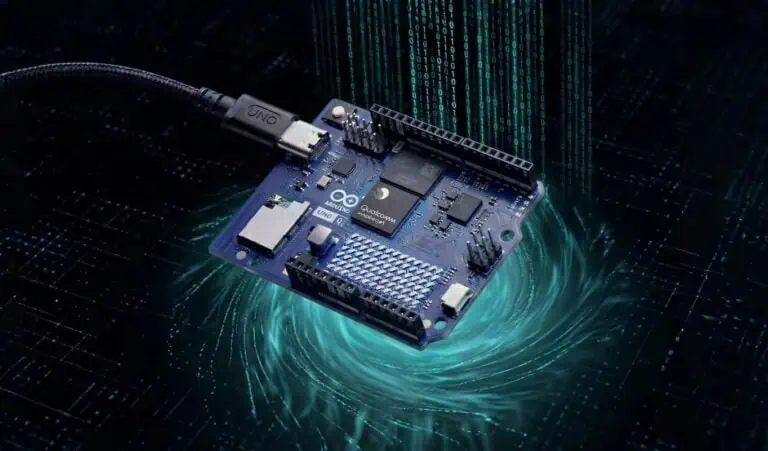
In this setup, an ultrasonic sensor continuously measures the water level inside the tank, while the Arduino UNO R4 WiFi sends the readings to a mobile dashboard over WiFi.
Instead of manually checking the tank every time, you can monitor everything live from your phone. Some systems can even trigger alerts or automatically turn the motor ON and OFF when the water reaches certain levels.
If you want to see how this works in a real project, you can also explore our detailed Water Level Indicator Project tutorial.
Automation
How IoT Reduces Human Effort
One of the biggest advantages of IoT is automation.
Instead of manually checking devices, switching appliances, or monitoring systems all day, IoT can handle many tasks automatically using sensors, internet connectivity, and programmed logic.
For example, a smart irrigation system can detect soil moisture and start watering plants automatically only when needed. This saves time, reduces manual work, and improves efficiency at the same time.
Example: Smart Security Alarm System
A practical example of IoT automation is a smart security alarm system using NodeMCU.
In this setup, the system continuously monitors sensors for suspicious movement or intrusion. Whenever unusual activity is detected, the NodeMCU can instantly trigger a siren, turn ON warning lights, and send alerts directly to the owner’s phone over WiFi.
The biggest advantage is that everything happens automatically in real time. Even if nobody is at home, the system can respond within seconds without waiting for manual action.
You can also explore our detailed NodeMCU Active Deterrence Alarm System project to see how practical IoT automation works in real-world security applications.

Sensors and Data Collection
Sensors: The Eyes and Ears of IoT
Sensors are what allow IoT devices to understand what’s happening in the real world.
They collect information like temperature, motion, humidity, gas leakage, light intensity, or distance and send that data to the microcontroller for processing.
Without sensors, an IoT system would have no way to detect changes or react intelligently. That’s why sensors are often called the “eyes and ears” of IoT systems.
Common Sensors Used in IoT Projects
Different IoT projects use different sensors depending on the application.
Some of the most commonly used IoT sensors include:
- DHT11/DHT22 for temperature and humidity
- PIR sensor for motion detection
- Ultrasonic sensor for distance and water level monitoring
- MQ gas sensors for gas leakage detection
- RFID modules for attendance and access control
These sensors help IoT devices collect real-world data and make smart decisions based on changing conditions.
Remote Access and Control
Controlling Devices from Anywhere
One of the most useful features of IoT is remote access and real-time communication between connected devices.
It allows devices to exchange data, share status updates, and respond automatically without requiring constant manual interaction. Depending on the application, communication can happen through WiFi, cloud platforms, or wireless modules like NRF24L01.
For example, connected systems can synchronize actions, send alerts, monitor live data, or coordinate multiple devices in real time even when they are located far apart.
Real Example: Real-Time Device Synchronization Using NRF24L01
A real-time synchronization system is a practical example of wireless communication in IoT and embedded systems.
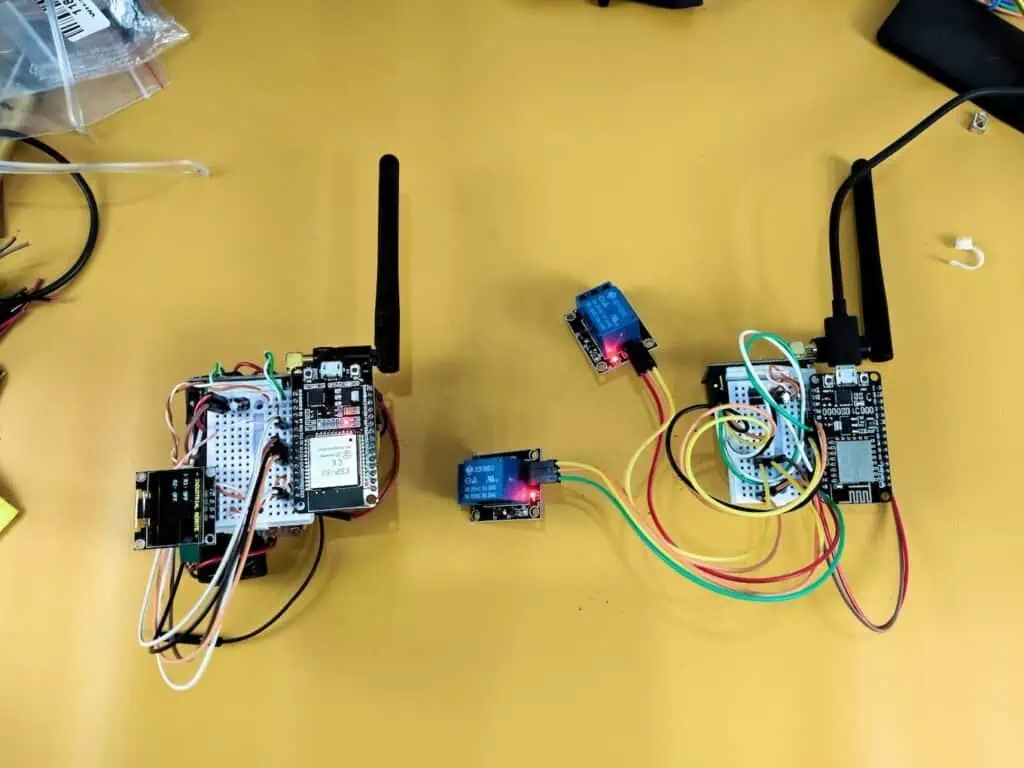
In this setup, multiple ESP32 devices communicate wirelessly using NRF24L01 + PA/LNA modules. Whenever one device detects a change or receives an input, the updated data is instantly transmitted to the other connected device in real time.
Instead of working separately, both systems stay continuously synchronized through fast wireless communication. This allows devices to react immediately without requiring manual intervention or wired connections.
Such systems are useful in smart automation, wireless monitoring, remote control applications, and connected embedded projects where reliable real-time device coordination is important.
You can also explore our detailed Dumb Code vs Smart Sync IoT project to understand how real-time wireless device synchronization works in practical applications.
Scalability
How Multiple IoT Devices Work Together
IoT systems are designed to handle multiple connected devices at the same time.
Instead of working independently, devices can share data and coordinate actions through a central controller, cloud platform, or local network.
For example, in a smart home, motion sensors, smart lights, security alarms, and mobile apps can all work together as a single system. When motion is detected, the lights can turn ON automatically while an alert is sent to your phone at the same time.
Intelligent Decision Making
How IoT Systems Make Smart Decisions
One of the most important features of IoT is the ability to make automatic decisions based on real-time sensor data.
IoT devices continuously monitor their surroundings using sensors and react immediately whenever abnormal conditions are detected. Instead of depending on manual monitoring, the system can automatically trigger safety actions, control connected devices, or respond intelligently based on predefined conditions.
For example, if dangerous gas leakage is detected inside a room, the system can automatically shut OFF the gas supply before the leakage becomes more serious.
This ability to monitor conditions continuously and respond automatically is what makes IoT systems intelligent, reliable, and useful in real-world applications.
Real Example: LPG Gas Leakage Detection System
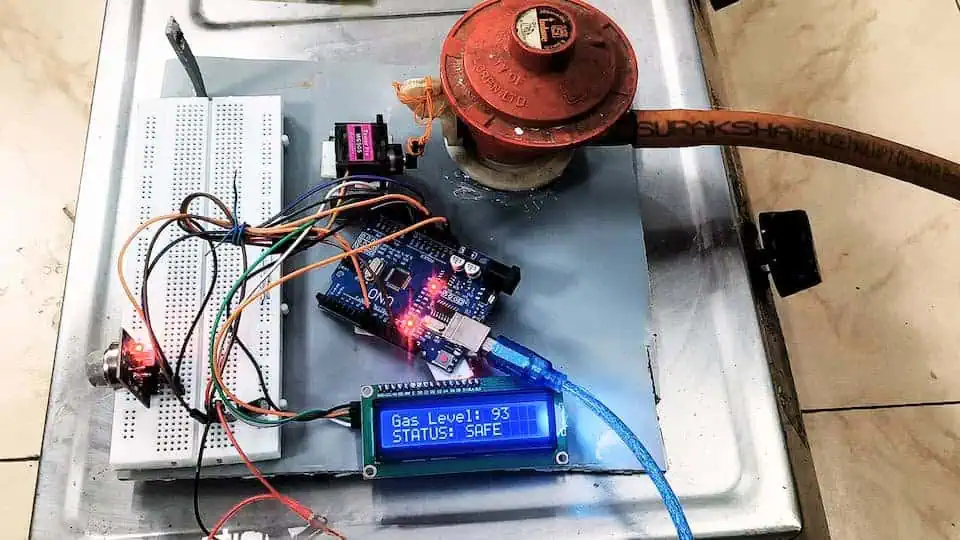
An LPG gas leakage detector is a practical example of intelligent decision-making in IoT and embedded systems.
In this setup, an MQ gas sensor continuously monitors the surrounding air for LPG gas leakage. Whenever the gas concentration crosses a predefined safety limit, the Arduino instantly activates a servo motor mechanism that automatically turns OFF the gas regulator knob.
Instead of only detecting the leakage, the system also takes immediate action to reduce the risk automatically. This makes the project far more practical for home safety systems, kitchens, and smart safety applications where quick response is critical.
You can also explore our detailed LPG Gas Leakage Detector Using Arduino project to understand how IoT systems use sensor data to make automatic safety decisions in practical applications.
A Sensor Alone Is Not an IoT Device
Many beginners think adding a sensor automatically creates an IoT project.
That’s not true.
A sensor only detects physical changes like:
- Temperature
- Motion
- Light
- Gas leakage
- Distance
- Sound
But sensing alone is just data collection.
An actual IoT device needs multiple layers working together:
Sensing Layer
This is where the sensor reads the environment.
Example:
Processing Layer
A microcontroller or processor analyzes the sensor data.
Examples:
This part decides:
- Is the temperature too high?
- Did someone enter the room?
- Should an alarm turn ON?
Connectivity Layer
This is the “Internet” part of IoT.
The device must communicate using:
- WiFi
- Bluetooth
- LoRa
- GSM
- Zigbee
- Ethernet
Without communication capability, it’s just an embedded system — not IoT.
Cloud or Control Layer
IoT devices usually send data somewhere:
- Mobile app
- Cloud dashboard
- Web server
- Database
- MQTT broker
This allows:
- Remote monitoring
- Notifications
- Automation
- Data logging
Real Example
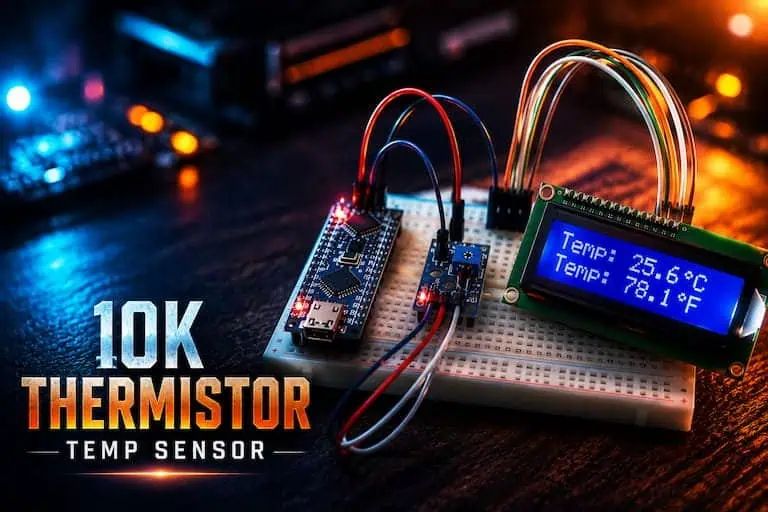
A temperature sensor connected to an Arduino LCD is not IoT.
But:
- Temperature sensor
- ESP32 with WiFi
- Data sent to Blynk or Firebase
- Phone notification when overheating occurs
Now it becomes an IoT system.
The Simple Formula
Sensor + Controller + Internet + Remote Interaction = IoT Device
Without connectivity and remote interaction, a sensor system is simply electronics or embedded automation — not Internet of Things.
Real-Life Applications of IoT Features
Most people learn IoT by connecting LEDs and sensors.
But the real power of IoT appears when those small features solve actual problems in daily life.
Every modern IoT product is basically a combination of core features working together:
- sensing
- communication
- automation
- remote control
- alerts
- data logging
Here’s how those features are used in real-world systems.
Smart Home Automation
This is the most common IoT application beginners start with.
Features Used
- Remote control
- Automation
- Scheduling
- Mobile notifications
Real Examples
- Turning lights ON from anywhere
- Automatically switching OFF fans when nobody is in the room
- Smart door locks controlled from a phone
- Gas leakage alerts sent instantly to family members
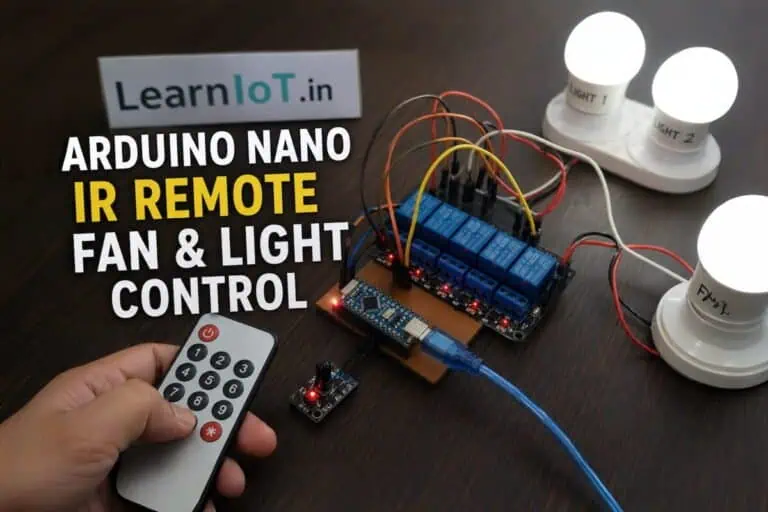
A simple relay module plus ESP32 can already build surprisingly useful home automation systems.
One thing many beginners realize later:
The “smart” part is not the relay.
It’s the remote decision-making and automation logic behind it.
Industrial Monitoring Systems
Factories use IoT heavily because downtime costs money.
Features Used
- Real-time monitoring
- Sensor networks
- Predictive maintenance
- Cloud dashboards
Real Examples
- Motor temperature monitoring
- Vibration analysis for machine failure prediction
- Water tank level monitoring
- Energy consumption tracking
Instead of waiting for machines to fail, IoT systems can warn engineers before breakdown happens.
That single feature saves huge maintenance costs.
Smart Agriculture
IoT is transforming farming faster than many people expect.
Features Used
- Environmental sensing
- Automation
- Wireless communication
- Remote monitoring
Real Examples
- Automatic irrigation systems
- Soil moisture monitoring
- Weather-based watering control
- Livestock tracking
- Greenhouse automation
Farmers can now monitor fields directly from smartphones without walking across large land areas repeatedly.
In remote villages, LoRa-based IoT systems are becoming especially useful because WiFi range is limited.
Healthcare and Patient Monitoring
This area requires reliability because human safety is involved.
Features Used
- Continuous monitoring
- Alerts
- Data logging
- Remote access
Real Examples
- Heart-rate monitoring wearables
- Oxygen saturation tracking
- Elderly fall detection systems
- Remote patient monitoring
Hospitals increasingly use IoT devices to reduce manual observation work and improve response speed.
Even a basic ESP32 wearable can stream sensor data in real time to doctors or caregivers.
Smart Security Systems
This is where many DIY makers start building serious IoT projects.
Features Used
- Motion detection
- Remote alerts
- Cameras
- Real-time notifications
Real Examples
- Smart door alarms
- PIR-based intrusion detection
- RFID access systems
- Remote CCTV monitoring
- Tamper detection systems
A major advantage of IoT security systems is instant notification.
Traditional alarms only make noise locally.
IoT alarms can notify you even when you are hundreds of kilometers away.
Smart Energy Management
Electricity monitoring is becoming extremely important due to rising power costs.
Features Used
- Real-time data collection
- Automation
- Analytics
- Cloud dashboards
Real Examples
- Smart electricity meters
- Solar monitoring systems
- Automatic load control
- Smart street lighting
Large buildings use IoT to optimize power usage automatically during peak demand hours.
Transportation and Vehicle Tracking
Modern logistics depends heavily on IoT.
Features Used
- GPS tracking
- Wireless communication
- Cloud synchronization
- Live monitoring
Real Examples
- Vehicle tracking systems
- Fleet management
- Fuel monitoring
- Smart parking systems
- Delivery tracking
This is why food delivery apps can show live rider location in real time.
Behind the scenes, IoT continuously updates location data to cloud servers.
Environmental Monitoring
IoT also helps monitor large-scale environmental conditions.
Features Used
- Distributed sensing
- Wireless data transmission
- Long-term logging
Real Examples
- Air quality monitoring
- River water quality analysis
- Forest fire detection
- Weather stations
- Noise pollution monitoring
These systems often use low-power wireless technologies like LoRa because sensors may be deployed in remote areas for months.
The Important Thing Beginners Usually Miss
Most successful IoT systems are not complicated because of sensors.
They become complex because of:
- reliability
- connectivity stability
- power management
- real-world environmental conditions
- scalability
Building a blinking LED project is easy.
Building a device that works continuously for six months without crashing is where actual IoT engineering starts.
Why These Features Matter in Real IoT Projects
IoT features are not just theory topics.
They directly affect how useful and reliable a project becomes in the real world.
For example, poor connectivity can stop alerts from reaching your phone. Bad sensor readings can trigger false automation. Even a simple smart home project can become frustrating if the system disconnects frequently.
This is why successful IoT projects depend heavily on:
- stable communication
- accurate sensors
- proper automation logic
- reliable real-time monitoring
Most beginner projects work fine for a few minutes during testing.
The real challenge starts when the system has to run continuously for days or months without problems.
That’s where these core IoT features become truly important.
Final Thoughts
The real power of IoT comes from combining sensors, connectivity, automation, and real-time communication into a single smart system.
Whether it’s a smart home setup, water level monitoring system, RFID attendance solution, or industrial automation project, these core IoT features are what allow devices to interact with the real world intelligently.
For beginners, understanding these features is far more important than simply memorizing technical definitions. Once you understand how IoT devices collect data, communicate with each other, and automate actions, building practical projects using ESP32, Arduino, or NodeMCU becomes much easier.
And honestly, most advanced IoT systems are simply larger combinations of these same core features working together in smarter and more scalable ways.
If you are new to IoT, you can also explore our detailed guides on What IoT Means, the ESP32 Pinout Reference, and the Complete Microcontroller Development Boards Guide to strengthen your understanding before starting practical projects.